
Florida State entered its Sept. 7 matchup with No. 19 SMU needing a clean, efficient offensive night, and the biggest questions were straightforward: protect the quarterback, stay on schedule and finish drives.
The Seminoles had opened the 2026 season with a 34-17 win over New Mexico State on Aug. 29, putting up 419 total yards and going 6-for-6 in the red zone. Ashton Daniels completed 17 of 27 passes for 202 yards in that game and added a rushing touchdown, giving Florida State an encouraging first look at its new offense before the step up in competition against SMU.
Protection and rhythm stood out first
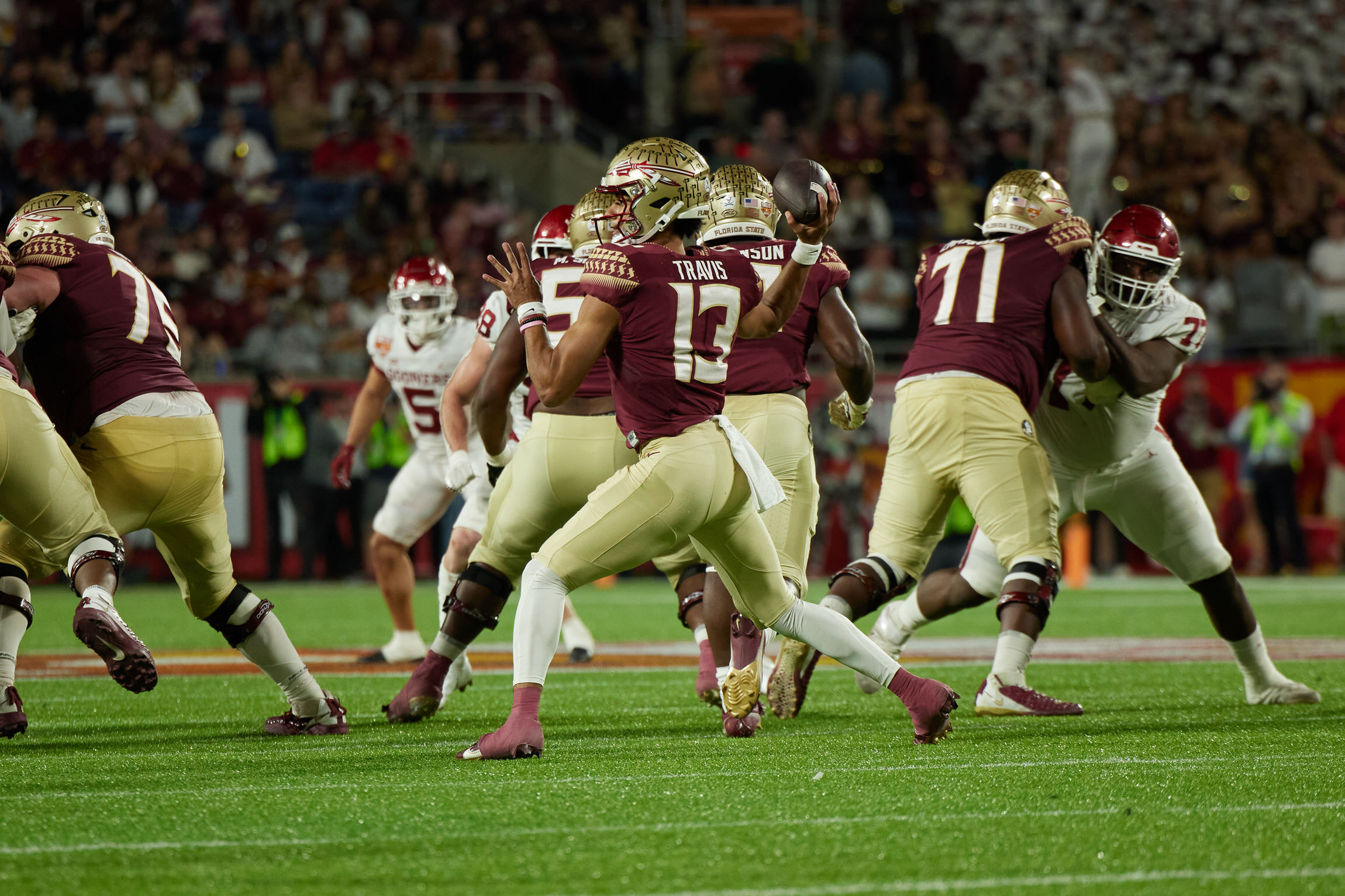
If Florida State was going to move the ball consistently, the offensive line had to hold up long enough for Daniels to operate. That was a central issue because SMU brought back proven production on defense, including safety Abdul Muhammad and edge rusher Billy Walton III, two players listed among the Mustangs’ returning defensive contributors in the game notes.
That made early-down success especially important. Florida State did not need to chase explosives on every series; it needed to avoid obvious passing situations and let Daniels work within structure. The Seminoles also had reason to lean on the run game and the overall system installed by coordinator Gus Malzahn, whose 2025 Florida State offense averaged 472.1 yards per game and ranked among the nation’s most productive units.
Red-zone efficiency could not slip
Another obvious key was finishing possessions. Florida State had been perfect in the red zone in its opener, but SMU presented a much tougher test. A game like this was unlikely to offer many wasted chances, so turning drives into touchdowns instead of field goals figured to be one of the clearest offensive swing factors.
Ball security fit into that same category. Against a ranked opponent, empty possessions can change the game quickly, especially for a team still settling in during the opening weeks of the season. Florida State’s best offensive formula was a controlled one: limit negative plays, protect Daniels and make each scoring opportunity count.
Why it mattered
The setup around the game raised the stakes. Florida State came in 1-0, while SMU opened its season in Tallahassee as a ranked conference opponent. The Seminoles also had Alabama waiting later in the month, which made this an important early measuring stick for how dependable the offense could be against upper-tier competition.
In the end, the margin for error was as thin as expected. Florida State later fell to SMU 27-24, with the final numbers showing the Seminoles went 8-for-19 on third down, scored on two of three red-zone trips and lost one of three fumbles. Those results underscored the same offensive themes that mattered going in.
Florida State’s next test after the bye was a road trip to Alabama on Sept. 19.