
Friday’s nationwide FAA ground stop has thrown a major complication into college football’s Saturday schedule, leaving multiple teams scrambling to reach road games with kickoff less than a day away.
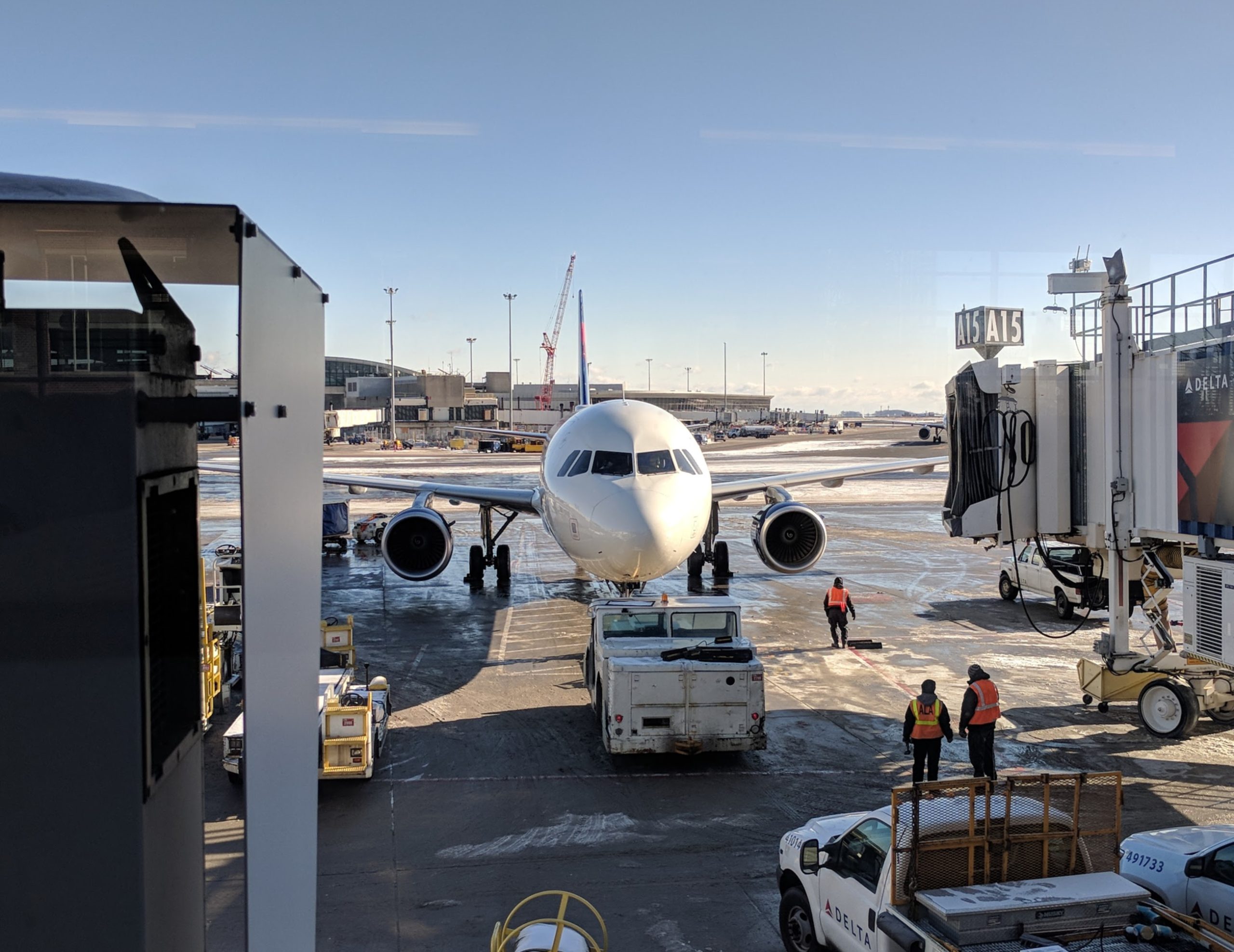
The Federal Aviation Administration halted departures across the country Friday afternoon after a communications outage affecting air traffic control facilities. Aircraft already in flight could land, but teams still waiting to depart were left with difficult choices: remain at the airport, return to campus, find buses or prepare to travel on game day.
The problem extends beyond whether a team can reach its destination. A late arrival can compress preparation, disrupt sleep, alter pregame routines and leave coaches uncertain about when their players will be ready.
Which college football teams are affected?
According to The Associated Press, Utah, Texas, Tennessee, Washington, Kansas State and San Jose State were among programs dealing with travel interruptions. Other teams explored ground transportation, with Auburn and Purdue turning to buses.
Texas was grounded before its scheduled trip to LSU, according to CBS Austin. Tennessee’s travel ahead of its road game at Texas A&M was also disrupted, raising questions about whether the Volunteers could arrive with enough time to maintain their normal routine.
Arizona State’s scheduled trip to Orlando to face UCF adds a local concern. Reports indicated the Sun Devils were among the programs dealing with flight uncertainty. Their travel status, like that of other affected teams, could change quickly as aviation operations recover.
Could Saturday’s games be delayed or postponed?
That remains possible, but a delayed team flight does not automatically mean a delayed football game. Conferences and schools would need to evaluate when teams can arrive, whether they can safely compete and whether officials, stadium operations and broadcast arrangements can accommodate any adjustment.
As of Friday evening, there was no basis to declare a blanket postponement of Saturday’s college football schedule. The SEC and other conferences were monitoring the situation. The most immediate possibilities are late-night arrivals, Saturday-morning travel, revised pregame schedules and, if circumstances demand, changes to kickoff times.
Why the disruption could matter on the field
College football teams typically travel the day before a road game for a reason. That window gives players time to settle into their hotel, eat together, review assignments and rest before kickoff. Losing those hours can create a competitive challenge even if the game starts on time.
Teams forced onto buses could face especially long trips. Those traveling Saturday morning would have less margin for additional delays. Coaches may also need to adjust walkthroughs, meals, treatment sessions and equipment logistics.
There is no reliable way to quantify how many points an interrupted travel schedule might cost a team. Still, a disrupted night of preparation is one more variable in games that can already turn on a handful of plays.
What fans should watch Saturday morning
The key updates will come from the FAA, individual athletic departments and conferences. Fans should look for confirmation that visiting teams have arrived, any official changes to kickoff times and announcements about postponed games. Rumors circulating on social media should not be treated as official decisions.
The wider air travel system could take time to recover even after departures resume because aircraft and crews may be out of position. For college football, that means Friday’s shutdown could continue to shape Saturday’s games long after planes begin flying again.
This is a developing story based on information available Friday evening, November 13, 2026. Travel plans and game schedules remain subject to change.