
Florida State entered its October 3 matchup with Virginia needing its first ACC win of the 2026 season, but there were clear reasons the Cavaliers looked capable of leaving Tallahassee with one. The Seminoles were 2-2 at the time, while Virginia arrived for the 3:30 p.m. kickoff at Doak Campbell Stadium after a strong start that had made this a tricky conference opener for FSU.
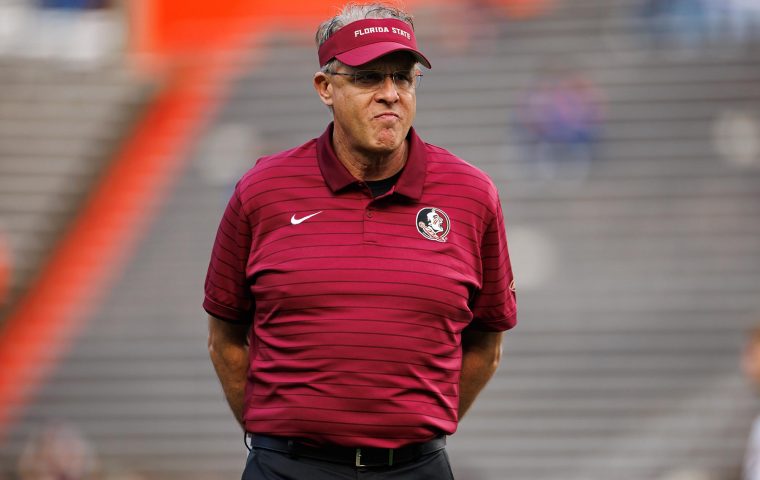
The concern started with Florida State’s run defense. In the buildup to the game, Virginia’s offense was widely viewed as one that could stress the Seminoles on the ground behind an experienced offensive line and a physical rushing approach. That mattered because FSU coach Mike Norvell had already been pushing for sharper play from a defense that had not consistently controlled games through the first month.
Virginia’s ground game was a real threat
One of the biggest reasons Florida State could have lost was simple: Virginia had the kind of run-first identity that tested one of FSU’s biggest question marks. Preview coverage around the game pointed to the Cavaliers’ ability to lean on veteran blockers and a mobile quarterback, a combination that threatened to keep the Seminoles on the field and out of rhythm.
That challenge was especially important in an ACC game where FSU was still searching for week-to-week consistency. If Virginia had controlled early downs, it could have dictated tempo and created the kind of afternoon Florida State wanted to avoid.
FSU had little margin for mistakes
Another warning sign was Florida State’s uneven start to the season. The Seminoles had already taken losses and had not shown enough clean, complete football to make anyone comfortable. In a game against a Virginia team that came in as a slight favorite in some preview coverage, turnovers, penalties or stalled drives could have flipped the day quickly.
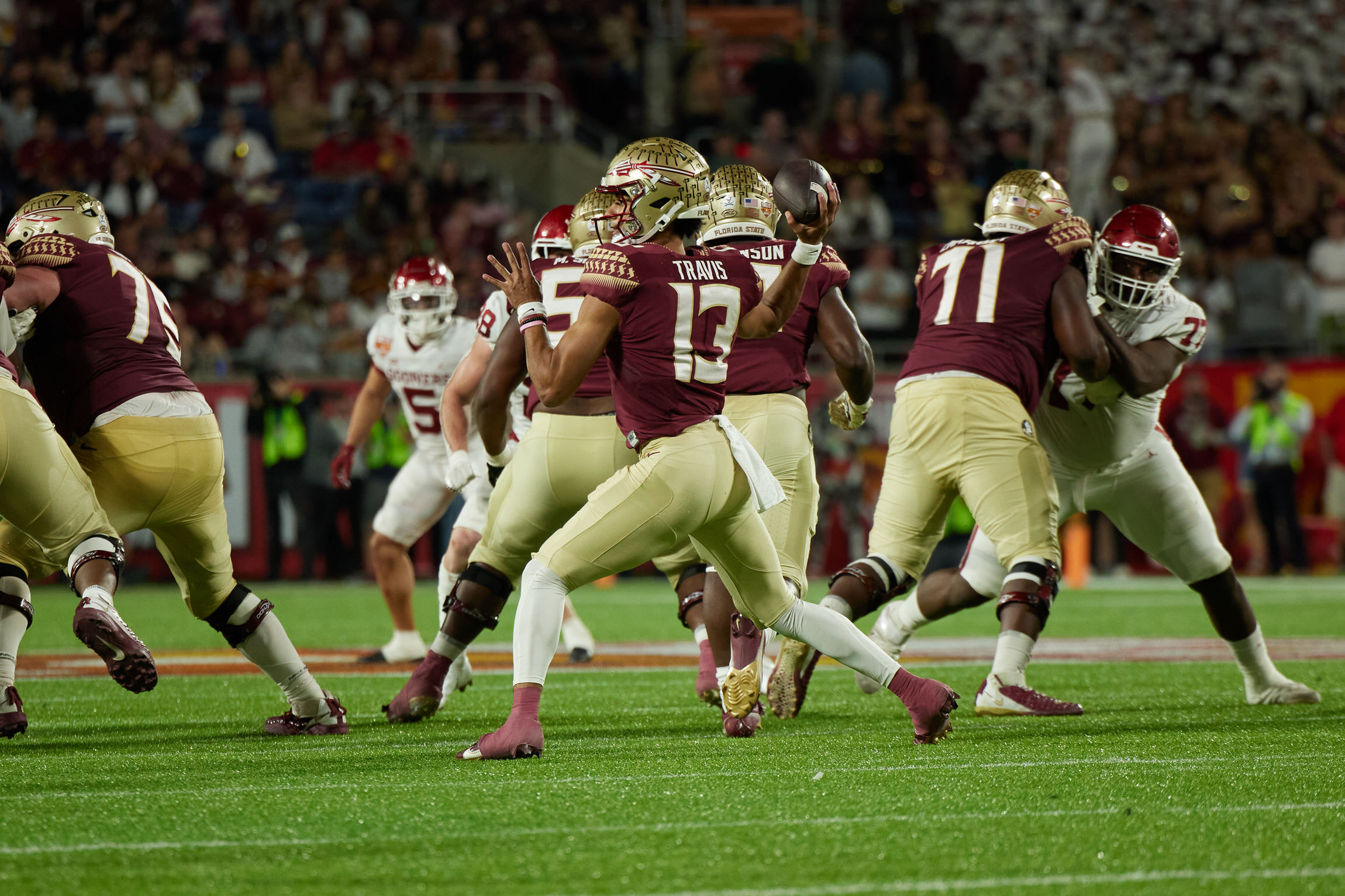
Quarterback play and ball security were also central to the discussion. Florida State needed to protect possessions and avoid giving Virginia extra chances, especially against a Cavaliers team that had built momentum early in the season.
Virginia brought momentum into Tallahassee
The Cavaliers also had reason to believe they could win because they had been productive entering the trip to Doak Campbell Stadium. Florida State, meanwhile, was trying to reset its season as October began. That made the game feel larger than a typical early conference matchup, with pressure squarely on the home side.
The setting favored FSU historically, but history alone was not enough. Florida State owned a strong all-time record against Virginia and was 9-1 against the Cavaliers in Tallahassee, yet this version of the Seminoles had not done enough to make those numbers feel decisive.
In the end, Florida State answered those questions on the field and rolled to a 38-7 win, scoring 38 unanswered points after falling behind 7-0. But before kickoff, the upset case against FSU was easy to map out: Virginia’s rushing attack, Florida State’s inconsistency, the pressure of an 0-1 ACC start, turnover risk and the possibility that the Cavaliers could control the game’s pace.
Florida State’s response became one of its strongest performances of the season, and the next step was carrying that momentum deeper into ACC play.