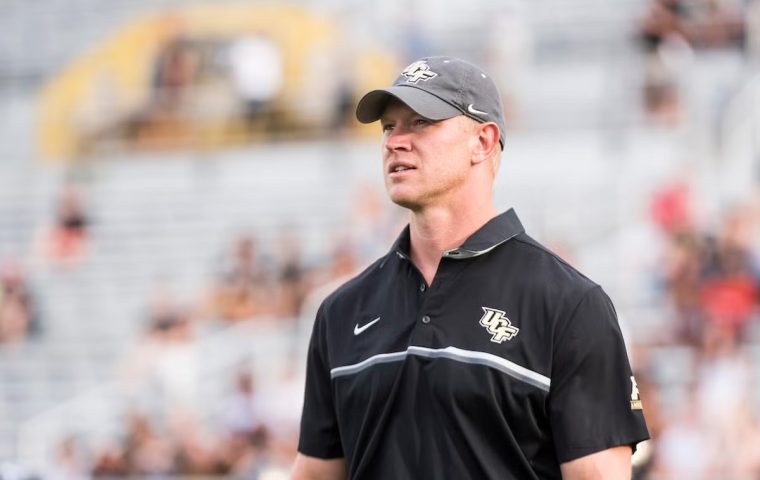

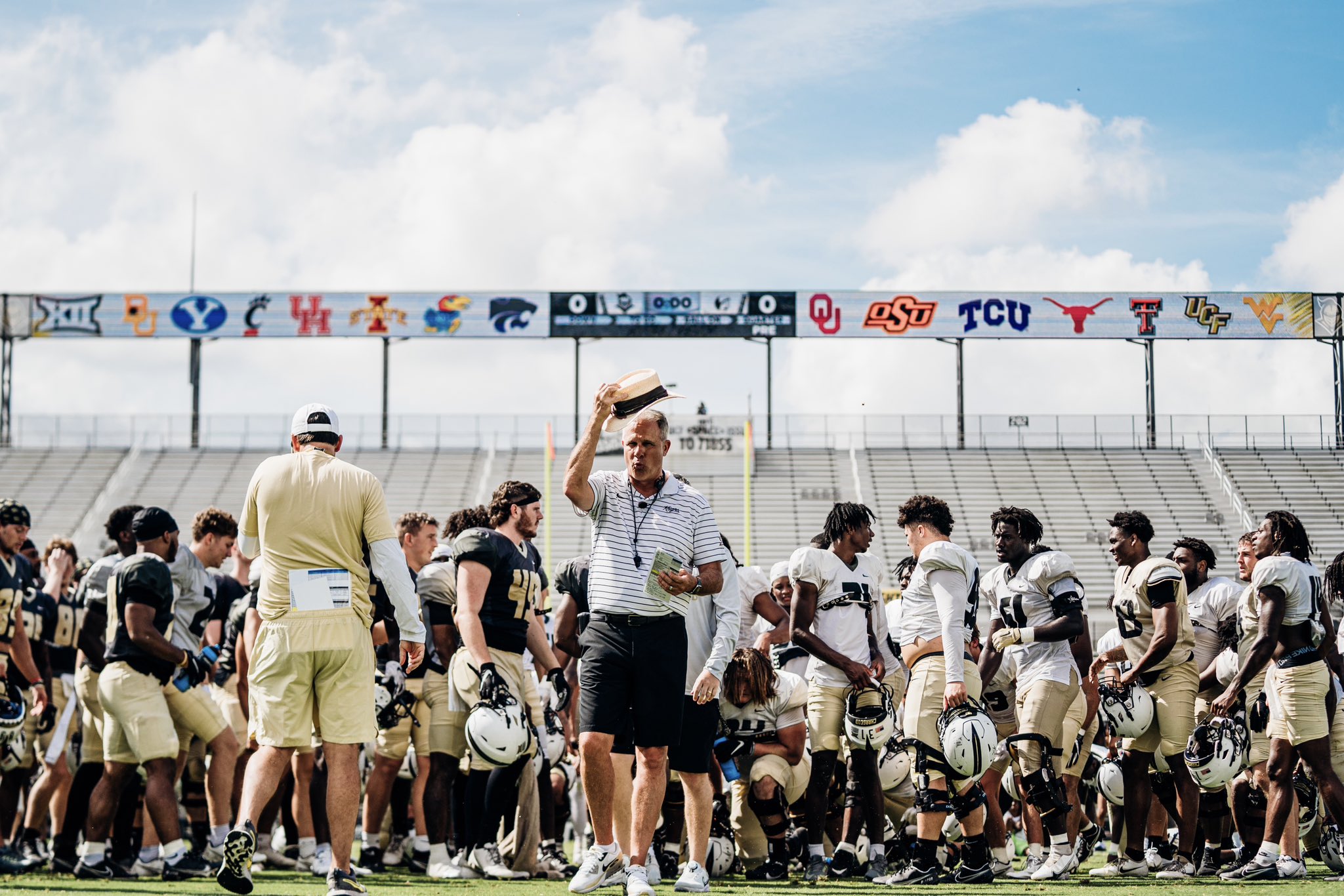
UCF general manager Trent Mossbrucker used his appearance on Knight Talk on Wednesday, Nov. 18, to explain how the Knights are approaching player retention, recruiting and roster construction as the program looks toward the 2027 season.
Mossbrucker’s role at UCF centers on football player personnel, acquisitions and roster management, making him one of the key staffers shaping how the Knights balance high school recruiting, transfer portal additions and quarterback depth. He joined the program with a background in recruiting and evaluation that included stops at Louisville, Purdue, Nebraska and a previous stint at UCF.
Roster building remains a year-round job
The timing of Mossbrucker’s comments matters for a UCF team still finishing its 2026 regular season. The Knights are 5-5 overall and 3-4 in Big 12 play heading into a Friday, Nov. 20, home game against Iowa State, with another regular-season game still to come at Colorado.
That makes retention and roster planning more than an offseason project. Programs now have to evaluate their own depth, identify positions of need and manage portal decisions while games are still on the schedule. Mossbrucker’s discussion on Knight Talk focused on those interconnected pieces: keeping players in the program, adding the right fits and making sure the roster is built with both immediate needs and longer-term development in mind.
That theme has followed UCF throughout 2026. Earlier in the year, Mossbrucker publicly discussed a roster-building philosophy that leans on development and retention while still using the portal to target production and experience where it is needed. Head coach Scott Frost has also credited the personnel staff with helping the Knights take a more organized approach to acquisitions and roster planning.
Why retention and quarterback depth stand out
Among the topics from Mossbrucker’s latest appearance, quarterback depth stands out because it can shape everything from portal priorities to scholarship distribution. Even when a starter is in place, programs must decide whether to add experience, develop younger options or do both, especially in a landscape where movement at the position can happen quickly.
Retention is just as important. Keeping productive players can be as valuable as signing new ones, particularly for a program trying to build consistency in the Big 12. UCF’s staff structure reflects that reality, with Mossbrucker’s title specifically tying together player personnel, acquisitions and roster management rather than treating those areas as separate jobs.
Reaction around the program has reflected that broader shift in college football. Recent public coverage surrounding UCF has repeatedly framed Mossbrucker as a central figure in how the Knights manage the portal era, with the school leaning on his evaluation background as Frost continues his second stint in Orlando.
What comes next for UCF
The next test for UCF is on the field, but Mossbrucker’s appearance made clear that planning for 2027 is already underway. How well the Knights retain their current core, add help through recruiting and address depth at key spots will go a long way in shaping the next version of the roster.
UCF returns to action Friday night against Iowa State at Acrisure Bounce House before closing the regular season Nov. 28 at Colorado.